India is steadily progressing toward a digitally secure and transparent future, and blockchain technology is becoming a key part of this transformation. From banking systems to government records, the shift toward decentralized infrastructure is gradually taking shape.
This transition reflects a broader vision—leveraging blockchain to improve data security, transparency, and efficiency across critical sectors.
Growing Adoption of Blockchain in India
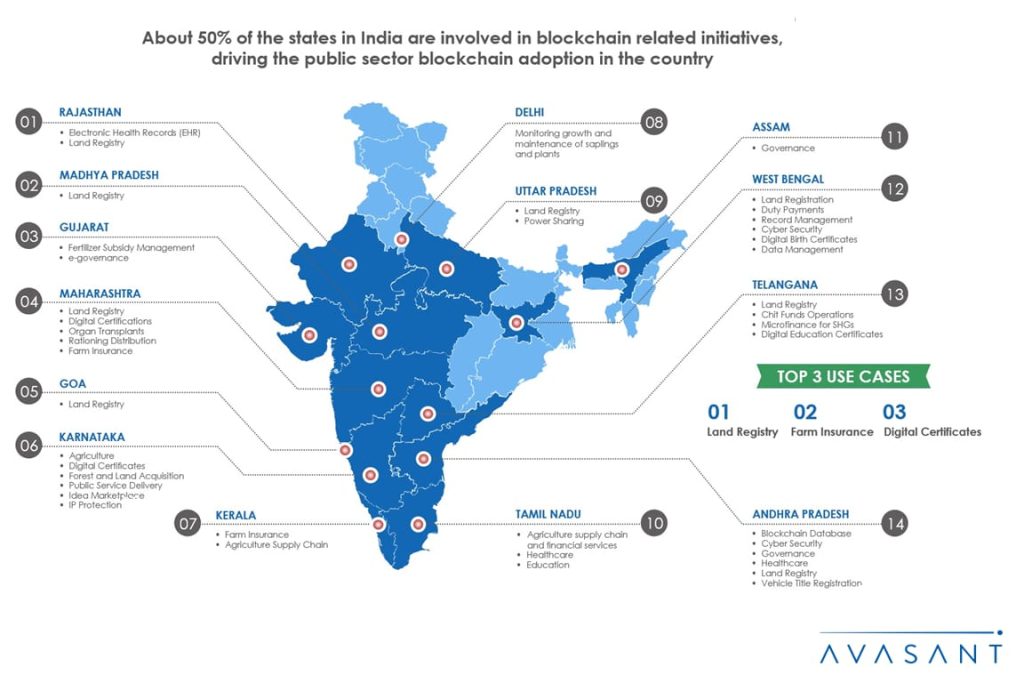
Across India, both public and private sectors are exploring blockchain-based solutions. Some financial institutions have already taken advanced steps in adopting blockchain for secure transactions and data management, while others are actively evaluating its potential.
This gradual adoption indicates that blockchain is no longer experimental—it is becoming a practical tool for digital transformation.
Blockchain in Government Systems
One of the most impactful areas of blockchain adoption is within government infrastructure. By using decentralized systems, governments can ensure:
- Tamper-proof data storage
- Increased transparency in processes
- Reduced fraud and manipulation
- Faster and more efficient operations
There are also discussions and early-stage implementations in sectors like defense and public data systems, highlighting the technology’s growing importance.
West Bengal’s Land Records on Blockchain
A notable example of this shift is seen in West Bengal, where the government is moving toward digitizing land records using blockchain technology.
Key Developments:
- Land records are being transitioned to blockchain for greater transparency and security
- Digital systems aim to reduce disputes and ensure accurate ownership records
- The initiative supports a more efficient and reliable land management system
Introduction of E-Auction for Land Allocation
The West Bengal Housing Infrastructure Development Corporation (HIDCO) has also introduced an e-auction process for land allotment.
This system aims to:
- Ensure fair and transparent allocation
- Minimize manual intervention
- Improve trust in government processes
Additionally, policy updates related to land transactions indicate a shift toward streamlined and development-focused governance.
Why Blockchain Matters for Public Systems
Implementing blockchain in governance can bring several long-term benefits:
1. Transparency
All records are verifiable and cannot be altered without consensus.
2. Security
Decentralized storage reduces the risk of data breaches and manipulation.
3. Efficiency
Automated processes reduce delays and administrative complexity.
4. Trust
Citizens can rely on accurate and tamper-proof information.
The Road Ahead for India
India is at an important stage where blockchain adoption is transitioning from concept to implementation. As more states and institutions adopt this technology, it has the potential to:
- Transform governance systems
- Improve public service delivery
- Strengthen digital infrastructure
Conclusion
The integration of blockchain into government systems, such as land record management in West Bengal, marks a significant step toward a more transparent and secure future.
As India continues to embrace digital innovation, blockchain will play a crucial role in building trust-driven systems that benefit both the government and its citizens.